THE CITY
Barcelona is one of Europe’s premier destinations for sports fans, and in 2026 may bear the crown for best football destination considering both the men’s and women’s sides of FC Barcelona are among the tops. Whether you are flying in for a La Liga fixture, chasing Champions League glory, or combining a match with a Mediterranean holiday, Barcelona delivers an unparalleled blend of sport, culture, and lifestyle.
Beyond football, Barcelona offers top-tier basketball at the Palau Blaugrana, annual ATP tennis at the Barcelona Open, the Formula 1 Spanish Grand Prix, and a thriving running culture. The Tour de France also begins in Barcelona in July 2026, making it ideal for the sports traveler who wants more than just the match.
All about
Barcelona
Spotify Camp Nou: The Main Event
For most sports fans visiting Barcelona, Spotify Camp Nou is the centerpiece of the trip. The stadium has been undergoing a landmark €1.45 billion renovation (the “Espai Barça” project) since 2023, and FC Barcelona returned to their home ground in November 2025 after more than two years playing at the Estadi Olímpic Lluís Companys on Montjuïc.
Current Status (February 2026)
As of early 2026, the stadium is operating at a reduced capacity of approximately 45,000–46,000 seats, with the club actively seeking permits to expand to around 62,000 under Phase 1C. The full renovation — including a third tier, retractable roof, VIP hospitality zones, and a final capacity of approximately 105,000 — is projected for completion by late 2026 or 2027.
Insider Tip for Trip Planning
Capacity is limited and demand is high, so match tickets are harder to secure than in previous years. Both FC Barcelona and the resale market use dynamic pricing, meaning ticket costs for international visitors (who lack memberships or season tickets) are substantially higher than published face values — expect €200+ minimum for most men’s La Liga fixtures. Book well in advance through official FC Barcelona channels or licensed resellers. Being flexible on dates can help enormously— midweek La Liga or Copa del Rey games are significantly easier (and cheaper) to get into than weekend fixtures or Champions League nights.Beyond FC Barcelona: Other Sporting Attractions
The Camp Nou Experience Tour
Even on non-matchdays, the Camp Nou Experience tour remains open throughout the renovation. Visitors can explore the FC Barcelona Museum — one of the most visited museums in Catalonia — featuring trophies, historic kits, and immersive multimedia exhibits celebrating the club’s 125+ year history. The tour typically includes access to the players’ tunnel, pitch-side views, and the press room. The on-site Megastore is a destination in itself for merchandise.
Tour Hours | Generally 9:30am–7:30pm (varies by season and matchdays) |
Price Range | Approx. €28–100 for adults depending on tier; with match day tours or those including helicopter running €100-250 |
Getting There | Metro L3 (Palau Reial or Les Corts) or L5 (Collblanc) |
Time Needed | Allow 2–3 hours for museum + tour |
Matchday Essentials
La Liga matches typically run from August through May, with fixtures mainly on Saturdays and Sundays (occasionally Friday/Monday or midweek). Champions League group stage matches fall between September and January, with knockout rounds from February onwards. Match scheduling in Spain is confirmed only 1–3 weeks before the fixture, so build flexibility into their itinerary.
La Liga Tickets | €200–600+ (dynamic pricing; international visitors typically pay €200+ even for standard La Liga fixtures via resale) |
Champions League | €300–800+ (knockout rounds significantly higher) |
El Clásico | €400–1,000+ (extreme demand; four-figure prices common for good seats) |
Hospitality/VIP | Premium packages from €500+; limited during renovation |
Arrival | Arrive 60–90 minutes early for security and atmosphere |
Food & Drink | Tapas 24 Camp Nou (by Michelin-starred Carles Abellán) is on-site, concessions by Legends Hospitality – unless in VIP areas, don’t expect a variety of food like at U.S. sports events. |
Kit Up | Megastore is near the stadium; great for pre-match purchases |
Beyond FC Barcelona: Other Sporting Attractions
RCD Espanyol
Barcelona’s “other” football club plays at the RCDE Stadium in Cornellà de Llobregat (40,000+ capacity). Espanyol matches offer a more intimate, authentic Spanish football atmosphere at a fraction of the price of a Barça ticket. The Catalan derby — when the two sides meet — is one of the most electric fixtures in Spanish football.
Palau Blaugrana — Basketball & Handball
FC Barcelona’s basketball team (Barça Basket) competes in Spain’s Liga ACB and the EuroLeague. Games at the Palau Blaugrana are loud, passionate, and significantly easier to attend than football matches. A new 15,000-seat Palau Blaugrana is under construction as part of the Espai Barça project, with completion targeted for 2026–2027. Handball fans can also catch Barça’s elite handball team at the same venue.
Montjuïc Olympic Complex
The legacy of the 1992 Olympics is alive and well on Montjuïc Hill. The Estadi Olímpic Lluís Companys (which served as Barça’s temporary home for two seasons) offers tours and spectacular city views. Nearby, the Palau Sant Jordi hosts major indoor events and concerts, while the Olympic Museum showcases memorabilia and interactive exhibits from the Games. The diving pools and the iconic Olympic flame cauldron are also worth visiting. This is a must for any sports history enthusiast.
Barcelona Open Banc Sabadell (Tennis)
Held annually in April at the Real Club de Tenis Barcelona, this ATP 500 clay-court event draws top talent and is one of the premier warm-up tournaments before Roland Garros. It’s an excellent option for those visiting in spring.
Formula 1 — Spanish Grand Prix
The Circuit de Barcelona-Catalunya in Montmeló (approximately 30 minutes north of the city) hosts the Spanish Grand Prix, typically in late May or June. This is one of the most accessible F1 races in Europe, with excellent transport links and a range of grandstand and hospitality options.
FC Barcelona Femení
The women’s team has become one of the dominant forces in European football, winning both the Liga F and the UEFA Women’s Champions League. They play most home matches at the Johan Cruyff Stadium in Sant Joan Despí. Tickets are affordable and the quality of football is exceptional — a brilliant option for families or groups wanting something different.
Where to Stay
Barcelona’s neighbourhood character varies dramatically, and the right base depends on the individual priorities. Here are the key options:
Les Corts / L’Hospitalet — Best for Matchday Convenience
The immediate Camp Nou area offers easy walk-to-stadium access. Hotels here tend to be mid-range business-style properties. Great if the match is the priority.
Eixample — Best All-Rounder
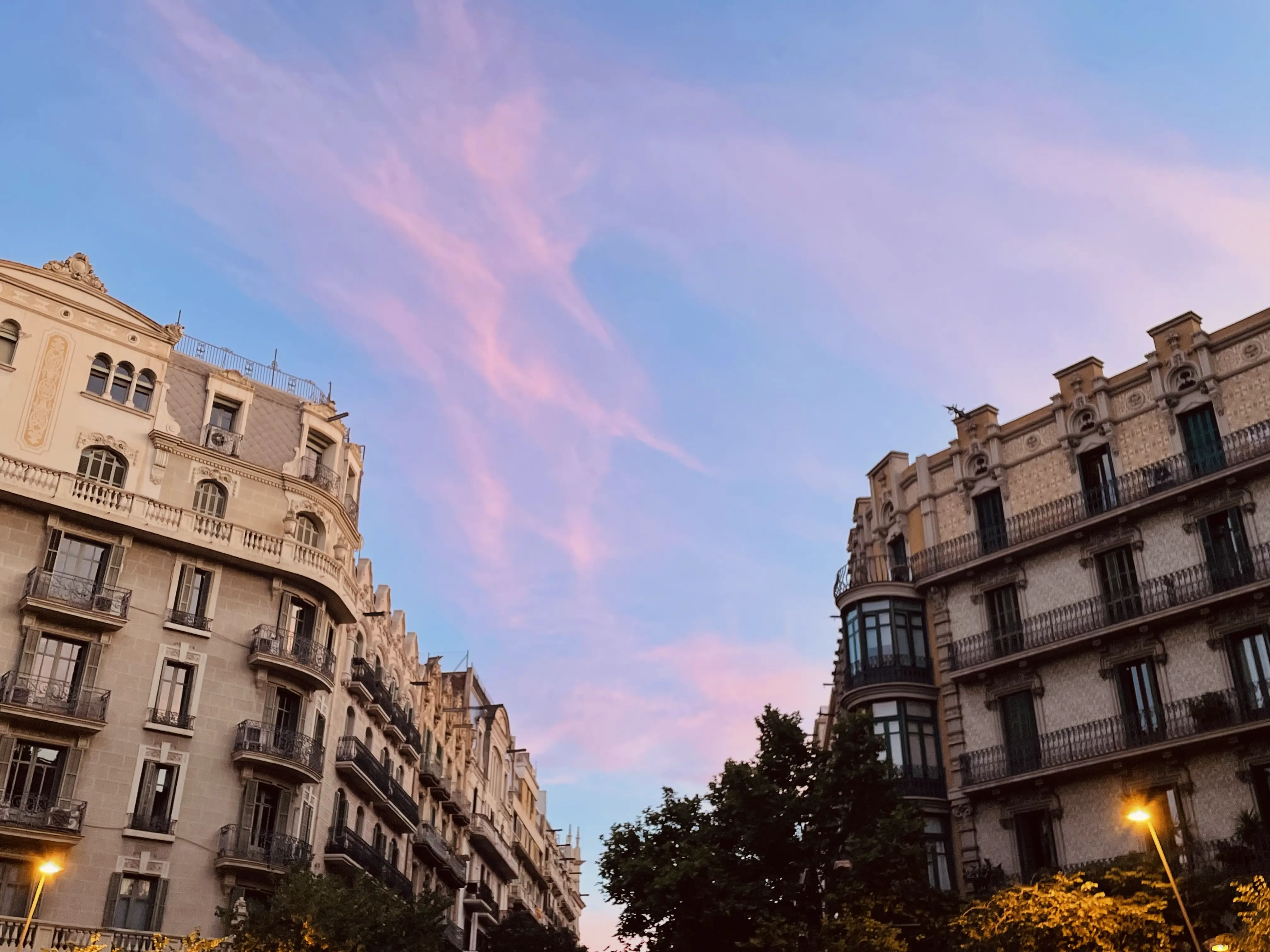
Barcelona’s elegant grid of Modernista architecture offers the widest range of accommodation, from boutique hotels to five-star properties. Excellent restaurant scene and central to everything. Passeig de Gràcia is the luxury corridor (Mandarin Oriental, Cotton House, Majestic). For something more affordable, the left side of Eixample (Eixample Esquerra) has great mid-range options with strong local character.
Gothic Quarter / El Born — Best for Culture & Nightlife
Atmospheric medieval streets, cocktail bars, and proximity to the waterfront. Tends to be noisier and more touristic, but the atmosphere is unbeatable. Mercer Hotel Barcelona and Hotel Neri are standout boutique options.
Barceloneta / Port Olímpic — Best for Beach Access
Ideal for travelers who want to combine sport with beach days. The W Barcelona is the landmark hotel here. More affordable options are available slightly inland. The port area has good seafood restaurants.
Approximate Hotel Pricing
Budget / 3-Star | €80–150 per night |
Mid-Range / 4-Star | €150–300 per night |
Luxury / 5-Star | €300–700+ per night |
Boutique / Design | €180–400 per night |
Booking Note
Prices spike significantly during major events (Champions League fixtures, F1 weekend, Mobile World Congress in late February/March, and Primavera Sound in June). Book accommodation as early as possible for these periods.
Eating & Driking Like a Local
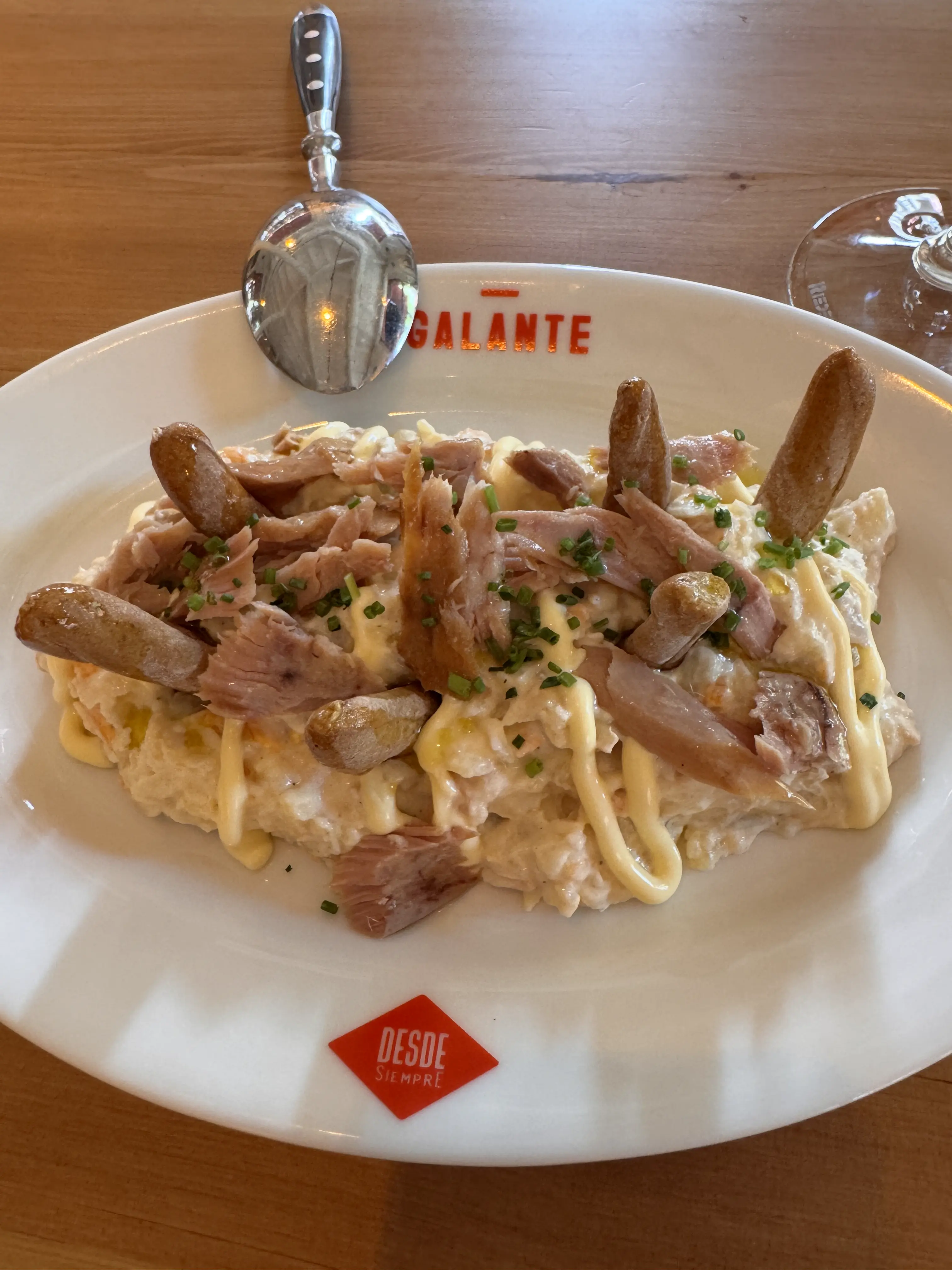
Barcelona’s food scene is world-class, ranging from legendary tapas bars to Michelin-starred fine dining. For sports fans, eating well is part of the matchday ritual. Here are recommendations across price points:
Pre-Match & Matchday Dining
Near Camp Nou
Tapas 24 Camp Nou, by celebrated chef Carles Abellán, serves high-quality tapas right at the stadium — perfect for a pre-match bite. Try the famous bikini truffle sandwich or the Iberíco ham croquettes. The surrounding Les Corts neighbourhood also has a number of low-key local bars where you’ll find fans gathering before kick-off.
Tapas Essentials
No visit to Barcelona is complete without a proper tapas crawl. Here are some standouts:
El Xampanyet | El Born. A nearly 100-year-old institution. House cava for €2 a glass, superb tapas, and a buzzing local atmosphere. Expect a queue. |
Cerveseria Catalana | Eixample. A perennial favourite for classic tapas — ham, seafood, patatas bravas. Busy but worth the wait. |
Bar Bodega Quimet | Gràcia. Family-run for generations, authentic Catalan tapas in a charming neighbourhood setting. Very affordable. |
Can Paixano | Barceloneta. Packed every night with locals drinking cheap cava and eating mini-sandwiches. A legendary start to a night out. |
Bar Canyete | El Raval. Upscale tapas with exceptional quality — real Iberíco croquettes, beautiful seafood. Higher price point but outstanding. |
Fine Dining
For guests wanting a special evening, Barcelona has no shortage of destination restaurants. Disfrutar (three Michelin stars, ranked among the world’s best) requires booking months ahead. Tickets, the famed counter-dining experience from the former elBulli team, is another bucket-list option. For something more accessible, Hoja Santa offers stunning Mexican-Catalan fusion cuisine with a star of its own. Paco Meralgo is popular with both locals and visitors. Les 7 Portes is excellent for paella.
Seafood by the Sea
Barceloneta’s waterfront is the natural home for fresh seafood. La Mar Salada and Can Maimó serve excellent paella, fresh fish, and shellfish at fair prices. For a splurge, One Ocean Club offers upscale waterfront dining with a marina backdrop.
La Boqueria Market
On La Rambla, the Mercat de Sant Josep (La Boqueria) is Barcelona’s most famous food market. Visit in the morning to avoid peak tourist hours. El Quim de la Boqueria is the legendary market counter for everything from fried eggs with baby squid to fresh oysters. Arrive early or expect a wait.
Drinking Culture
Barcelona has a vibrant drinking scene. Vermouth (“vermut”) is a serious pre-lunch tradition — try it at any old-school bodega. Cava (Catalan sparkling wine) is plentiful and affordable. Craft beer has exploded in recent years, with taprooms like Garage Beer Co. and Naparbier catering to the hop-curious. Several world-renowned cocktail bars include Dr Stravinsky and Paradiso in El Born and Sips in El Raval.
Beyond the Stadium: Sightseeing Highlights
Even the most devoted sports fan will want to explore Barcelona’s extraordinary cultural offerings. Here are the essentials:
Must-See Attractions
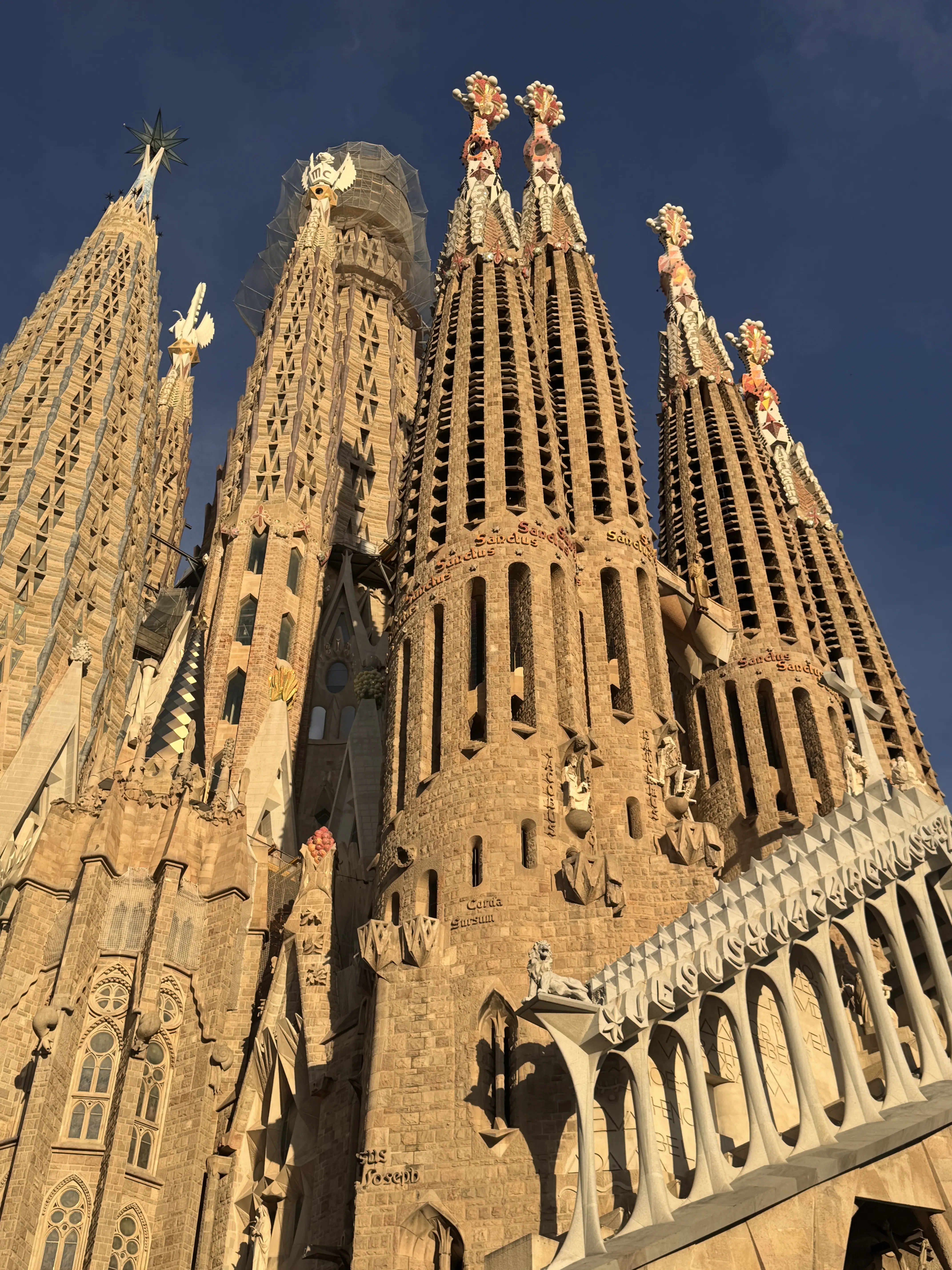
Sagrada Família | Gaudí’s masterpiece basilica. Book timed-entry tickets online well in advance (€26–40). Allow 1.5–2 hours. |
Park Güell | Hillside park with mosaic architecture and panoramic city views. Timed entry required (€10). Best visited in the morning. |
Casa Batlló | Stunning Modernista building on Passeig de Gràcia. Augmented reality tour available (€35). |
Gothic Quarter | Medieval streets, Barcelona Cathedral, hidden squares. Free to wander. |
La Rambla | Iconic tree-lined boulevard from Plaça Catalunya to the harbour. Busy but essential. |
Montjuïc Hill | Olympic sites, Fundació Joan Miró, gardens, cable car, and harbor views. |
Barceloneta Beach | Sandy city beach with boardwalk. Best in spring or early autumn for a swim. |
Day Trips for Active Travellers
Montserrat is an extraordinary jagged mountain range about an hour from Barcelona, offering hiking trails from beginner to advanced (the Sant Jeroni summit trek takes around six hours round-trip). Accessible by train or cable car, it’s also home to a Benedictine monastery. For wine lovers, the Penedès and Priorat wine regions are within easy reach for a half- or full-day tasting tour.
Practical Information
Getting There
Barcelona-El Prat Airport (BCN) is well-served by major international carriers and is approximately 20–30 minutes from the city center. The Aerobus (express bus) runs every 5–10 minutes to Plaça Catalunya (€7.75 one-way). Taxis cost approximately €40 to the city center. Private transfers are widely available for travelers who prefer a seamless arrival.
Getting Around
Barcelona has an excellent integrated public transport system. The Metro (TMB) is clean, efficient, and covers all major attractions and sporting venues. A T-casual card (10 journeys) costs €12,55 and is good on Metro and Bus. Taxis are plentiful and reasonably priced. Ride-hailing apps (Cabify, Bolt) operate in the city. For a more scenic option, Barcelona’s bike lane network is extensive, and rental bikes/e-scooters are widely available.
Best Time to Visit
Sept–Nov | Ideal. Warm weather, La Liga underway, fewer tourists than summer. |
Mar–May | Spring football fixtures, Barcelona Open tennis, marathon season. |
Jun–Aug | Hot. La Liga wraps up in May; pre-season friendlies begin in August. If wanting to pair with beach visits or the event you’re |
Dec–Feb | Mild winters. Champions League group stage, festive markets, quieter city. |
Language
Catalan and Spanish (Castellano) are both official languages. English is widely spoken in hotels, restaurants, and tourist areas; and Barcelona has a very international population. Learning a few basics (“Gràcies” for thank you or “Bon día” for good morning in Catalan, “Hola” works in both languages, “Por favor” for please in Spanish) is always appreciated.
Currency & Tipping
Spain uses the Euro (€). Card payments are widely accepted. Tipping is not obligatory but appreciated — rounding up the bill or leaving 5–10% at restaurants is customary. At bars, small change is fine.
Safety
Barcelona is generally very safe, but petty theft (pickpocketing) is common in tourist-heavy areas such as La Rambla, the Metro, and around football stadiums. For safety, use zipped bags, be aware of surroundings in crowds, and avoid displaying expensive items conspicuously.
Key Phone Numbers
Emergency | 112 (universal EU emergency number) |
Police (local) | 092 |
Medical Emergency | 061 |
Tourist Info | +34 932 853 834 |
Quick Reference Card
Airport | Barcelona-El Prat (BCN), 8 miles from center |
Metro | TMB — 8 lines, runs 5am–midnight, until 2am Friday, 24h Saturday |
FC Barcelona Tickets | fcbarcelona.com (official) |
Camp Nou Tour | fcbarcelona.com/en/tickets/camp-nou-experience |
Sagrada Família | sagradafamilia.org (book ahead) |
Park Güell | parkguell.barcelona (timed entry) |
Barcelona Open Tennis | barcelonaopenbancsabadell.com |
Tourist Card (BCN) | barcelonaturisme.com (transport + discounts) |
Emergency | 112 |
Time Zone | CET (UTC+1) / CEST (UTC+2) in summer |
Electrical | Type C/F plugs, 230V (UK/US visitors need adaptor) |